Diesel Generator Sizing Guide: How to Calculate Load & Avoid Costly Mistakes
- Share
- publisher
- Novark Power
- Issue Time
- Aug 7,2026
Summary
Stop guessing your generator size. This expert guide explains how to calculate kW/kVA loads, factor in motor starting surges, and avoid oversizing or undersizing. Get the formula and checklist now.
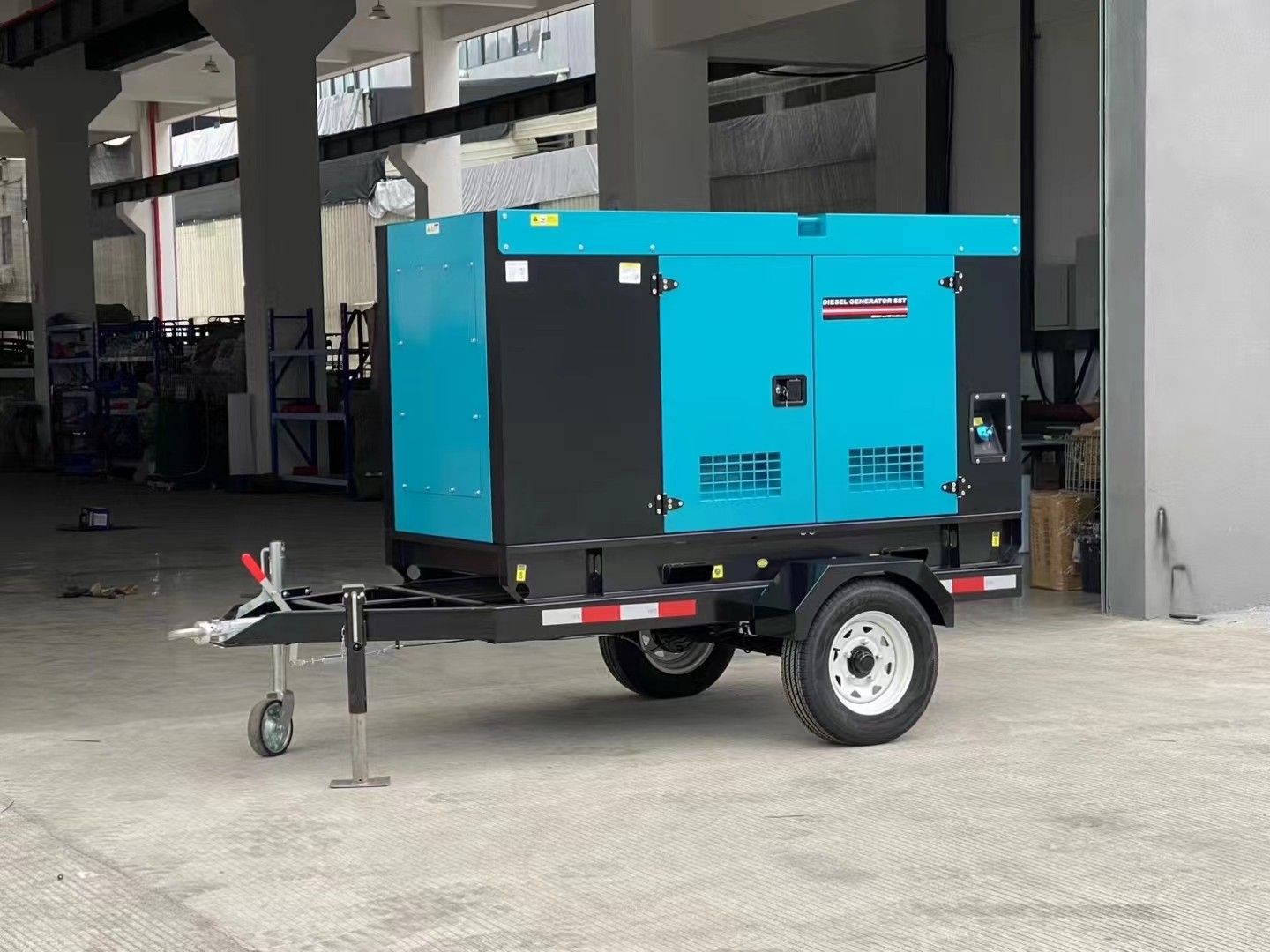
Diesel Generator Sizing Guide: How to Calculate Load & Avoid Costly Mistakes
Stop guessing your generator size. This expert guide explains how to calculate kW/kVA loads, factor in motor starting surges, and avoid oversizing or undersizing. Get the formula and.
What You Will Learn
Diesel Generator Sizing Guide
Avoid costly oversizing and dangerous undersizing. Learn how to select the correct kW rating for your project.
The Real Cost of Wrong Sizing
Many projects lose 15–30% of their power budget due to incorrect sizing at the design stage.
The Golden Rule of Generator Sizing
Prime Power × 1.25–1.3 = Recommended Generator Capacity
This margin covers motor starting surges, harmonics, and future load growth.
Load Type Matters More Than Total Wattage
| Load Type | Typical Equipment | Sizing Impact |
|---|---|---|
| Resistive | Lights, heaters, ovens | Minimal surge; size close to running load. |
| Inductive | Motors, pumps, HVAC | 3–6× starting surge; extra capacity required. |
| Non-Linear | UPS, VFDs, IT equipment | Harmonics; consider 12-pulse or PMG alternator. |
| Medical | Imaging systems, life support | Zero tolerance; N+1 redundancy required. |
Application-Based Recommendations
Construction Sites
Multiple motor starts. Size 30–40% above running load.
Data Centers
N+1 redundancy. Prioritize voltage stability and harmonics control.
Hospitals
Mandatory
Talk to Our Engineers About Your Project
N+1 redundancy. Prioritize voltage stability and harmonics control.
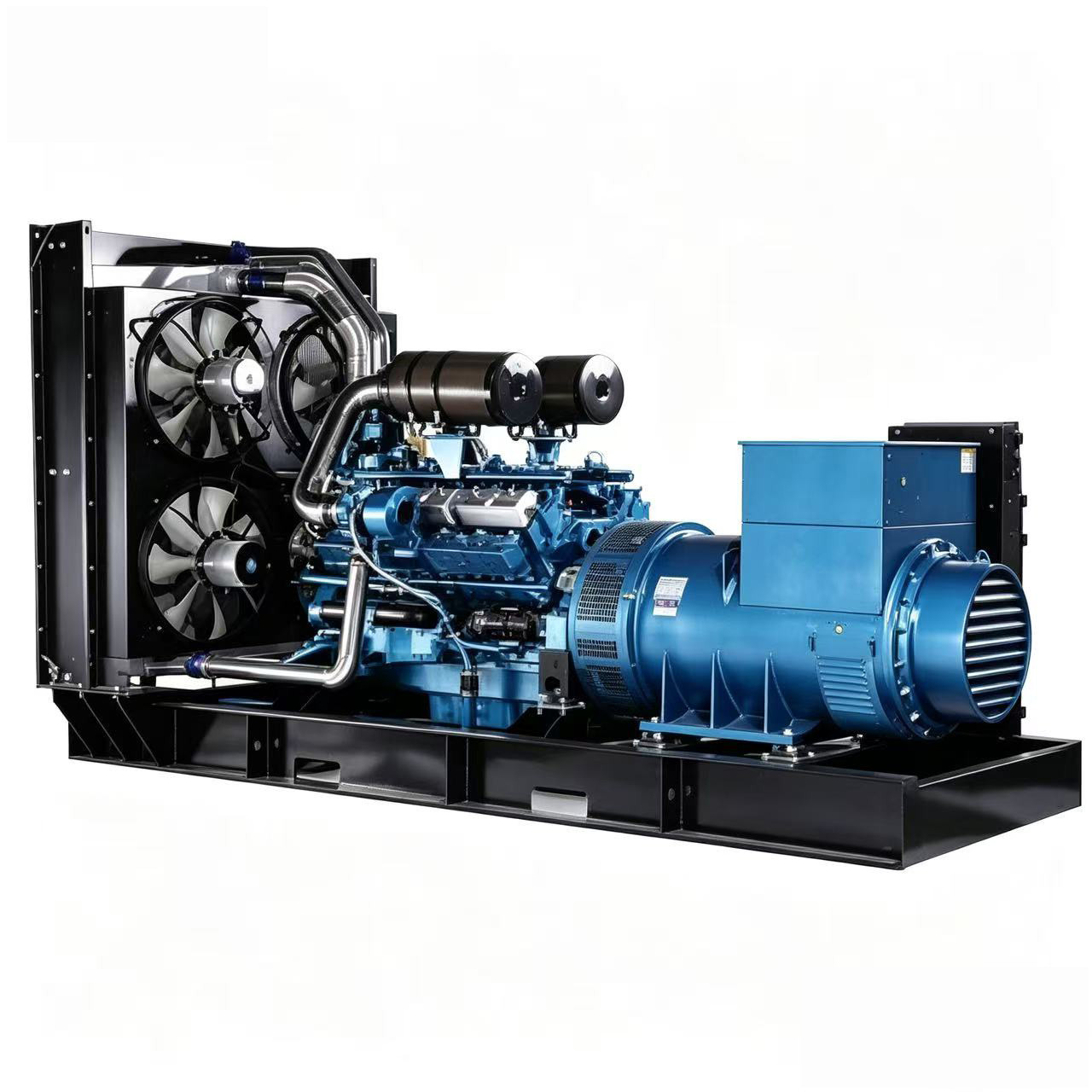
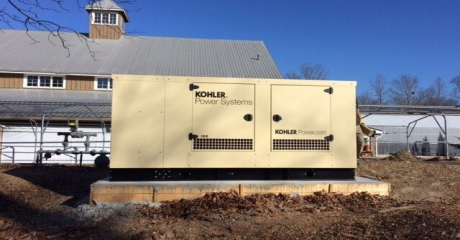
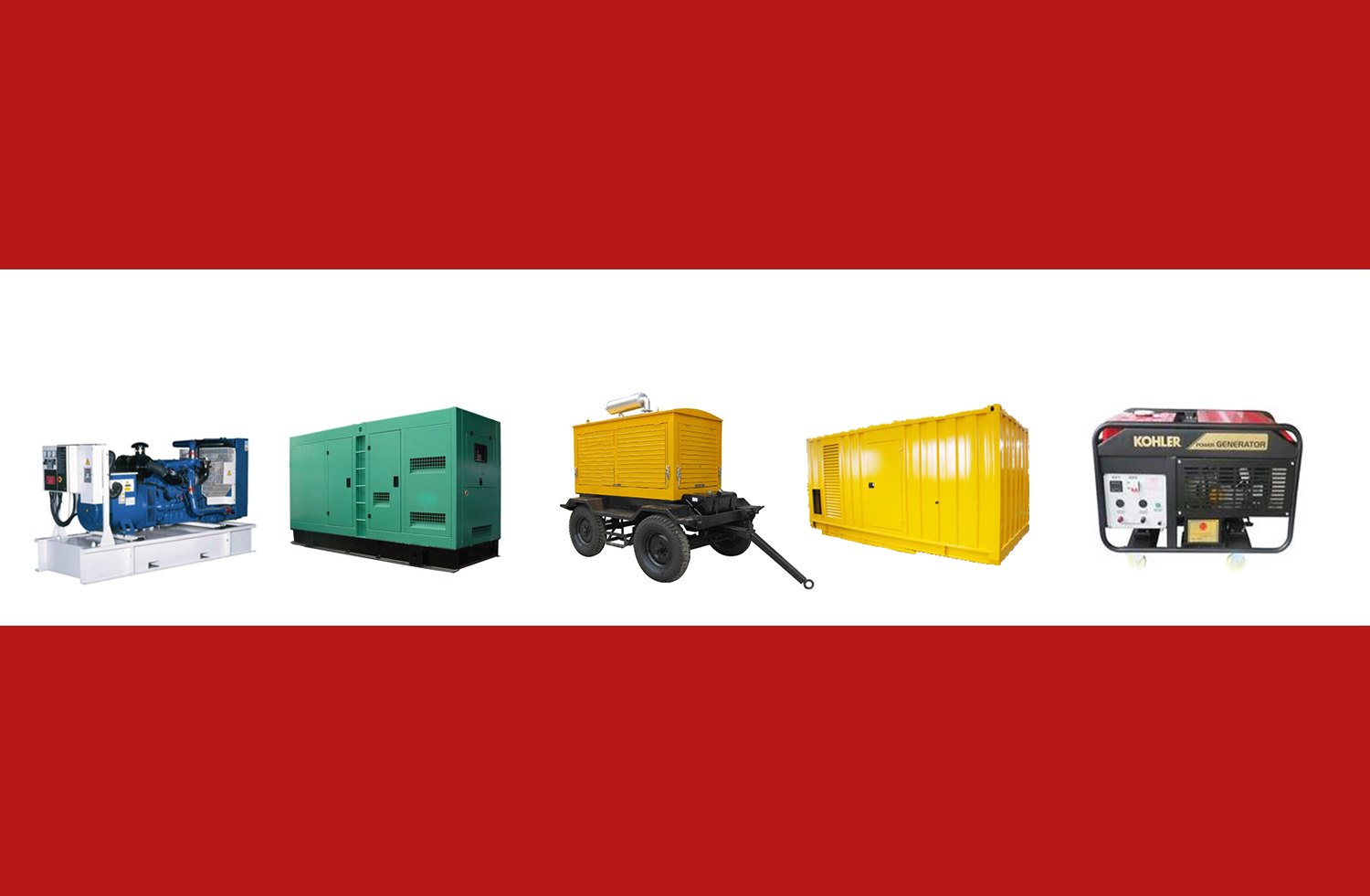
This article is for informational purposes only. Specifications and availability may vary by region. Please contact NovArk Power for a confirmed quotation tailored to your project requirements.