Powering the Digital Future: A Deep Dive into Generator Sets for Computing Data Centers
- Share
- Issue Time
- Jun 30,2026
Summary
In an era defined by data, the resilience of computing data centers is paramount. This article explores the critical role of generator sets in ensuring uninterrupted power, examining market growth, technological advancements, and the strategic considerations for selecting the right power solution. We delve into the shift towards sustainable options, the impact of AI and hyperscale facilities, and the future of resilient data center power infrastructure, providing a comprehensive guide for stakeh
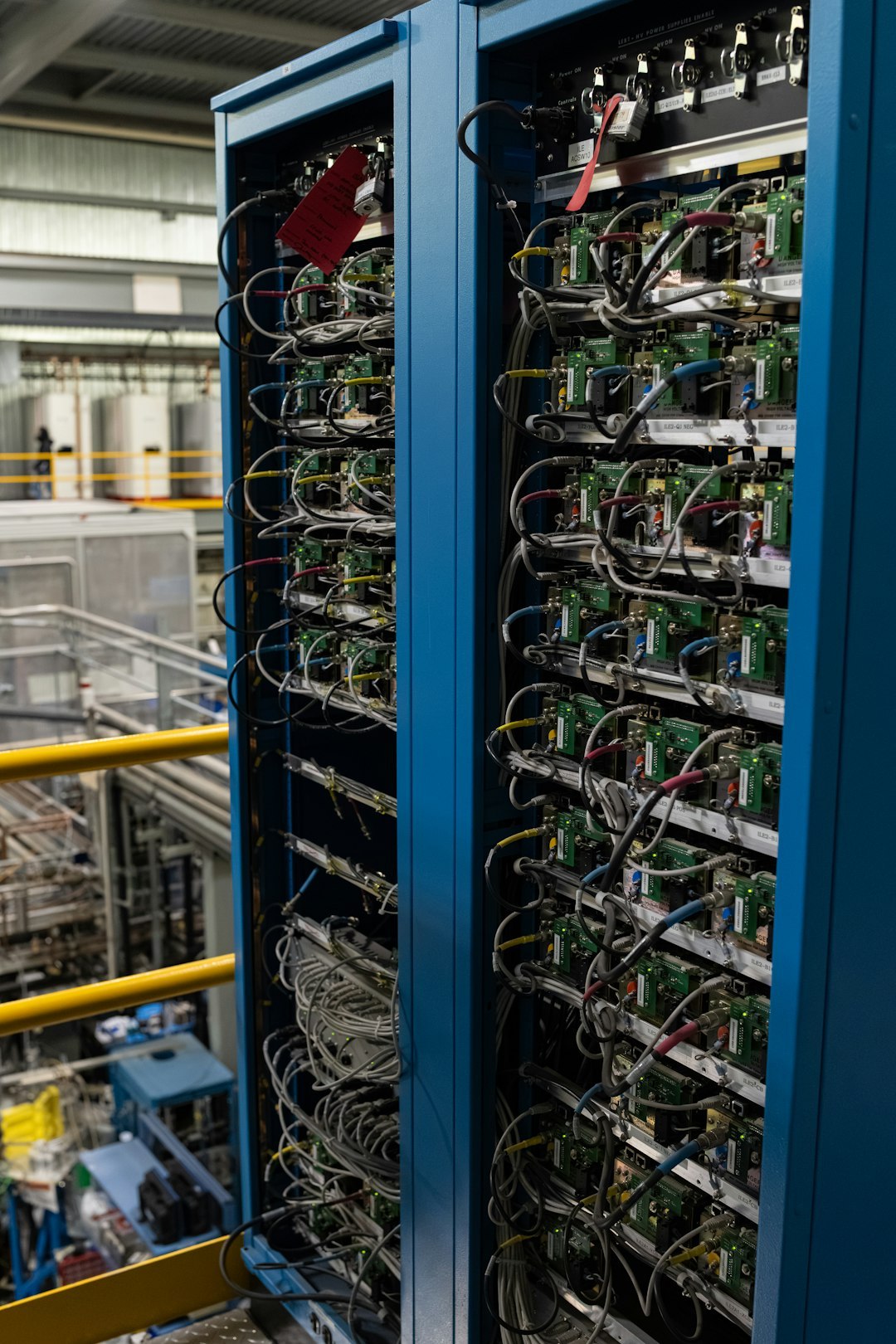
Powering the Digital Future: A Deep Dive into Generator Sets for Computing Data Centers
In an era defined by data, the resilience of computing data centers is paramount. This article explores the critical role of generator sets in ensuring uninterrupted power, examining.
What You Will Learn
- The Burgeoning Market for Data Center Generators
- Why Uninterrupted Power Is the Bedrock of Data Centers
- Diesel Generators: The Long-Standing Powerhouse
- The Rise of Gas and Alternative Fuel Generators
- Hyperscale and AI: The New Frontiers of Power Demand
- Sizing Your Generator: A Critical Calculation
- The Critical Role of Redundancy and Tier Standards
- Integrating Renewables and Hybrid Power Solutions
- Innovations Shaping the Future of Gensets
- Navigating the Investment and Strategic Landscape
Powering the Unseen Engine of the Digital World
Every email sent, every video streamed, and every transaction made is processed and stored in a data center. These facilities are the invisible engines of our digital lives—and their continuous operation is non-negotiable.
The Burgeoning Market for Data Center Generators
The global data center generator market is experiencing significant growth—a direct reflection of the expansion of our digital footprint. Market analyses project the sector could reach nearly $19.72 billion by 2034, growing at a CAGR of approximately 8.4%.
This surge is propelled by the relentless construction of hyperscale facilities, the rise of cloud computing, and the exponential power demands of AI and machine learning workloads. As enterprises and cloud providers scale operations, the need for dependable backup power escalates in tandem.
Why Uninterrupted Power Is the Bedrock of Data Centers
Downtime is the arch-nemesis of any data center operator. Outages carry staggering costs: lost revenue, productivity losses, reputational damage, and costly data recovery efforts.
The Uptime Institute classifies facilities into four tiers. Tiers III and IV demand rigorous redundancy across power and cooling systems. Generators are fundamental to achieving these higher-tier certifications, delivering the long-duration backup that UPS batteries alone cannot provide.
Diesel Generators: The Long-Standing Powerhouse
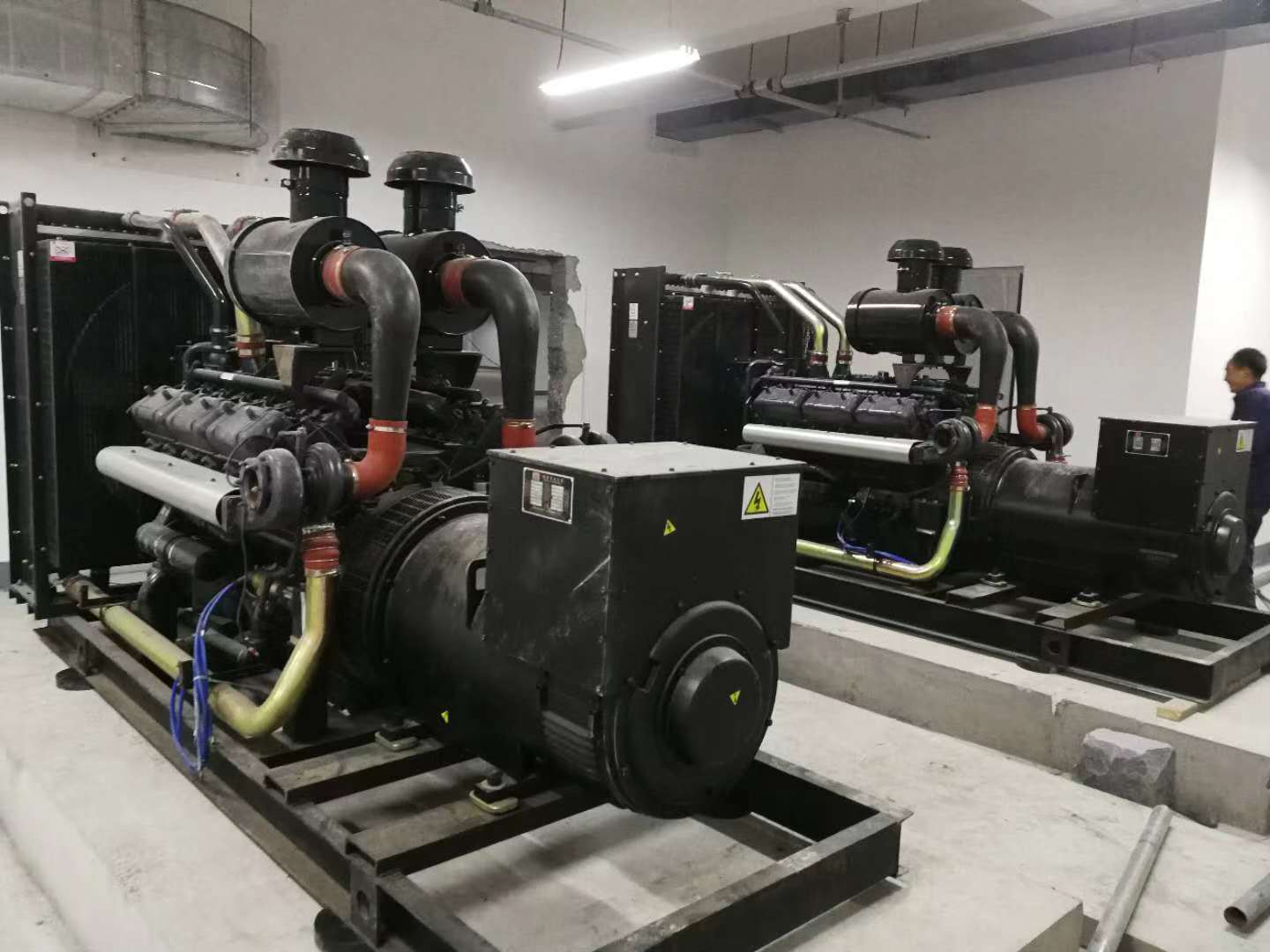
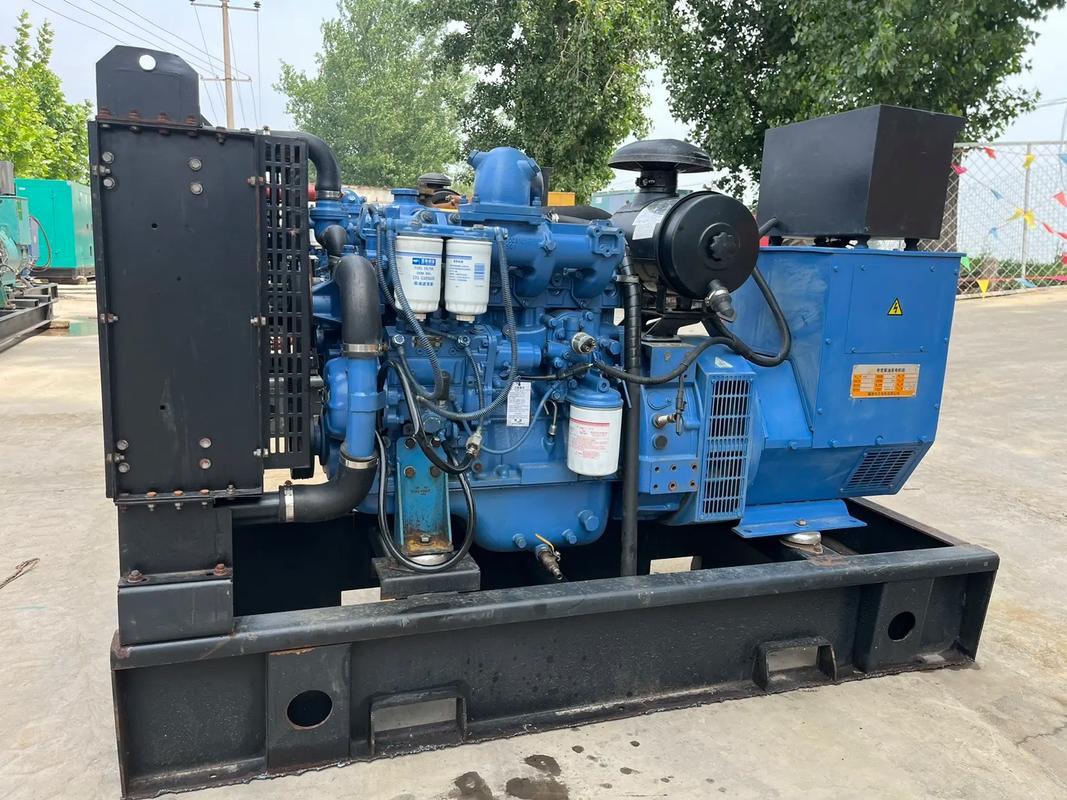
Diesel generators remain the dominant choice for data centers. Their reliability, rapid start-up times, and ability to handle massive electrical loads make them ideal for high-density environments.
With a proven global fuel supply chain and mature maintenance ecosystems, diesel gensets continue to secure the largest market share. Ongoing investments are focused on improving fuel efficiency and enabling advanced remote monitoring capabilities.
The Rise of Gas and Alternative Fuel Generators
While diesel remains prevalent, sustainability pressures are driving adoption of cleaner alternatives. Natural gas generators emit less NOx and particulate matter, and benefit from lower operating costs where pipeline access exists.
Bi-fuel systems (diesel + natural gas) and Hydrotreated Vegetable Oil (HVO) solutions are gaining traction, aligning with corporate ESG goals and tightening global emissions regulations.
Hyperscale and AI: The New Frontiers of Power Demand
Hyperscale campuses operated by AWS, Google, and Microsoft require unprecedented power densities. Facilities routinely deploy multiple generator units above 2 MW and 3 MW to ensure full redundancy.
AI training workloads further intensify demand. The >3 MW generator segment is expected to post the highest growth rate as model complexity and compute density continue to climb.
Sizing Your Generator: A Critical Calculation
Correctly sizing a generator is vital. Undersized units risk load failure; oversized units inflate CapEx and reduce efficiency. Calculations must include servers, storage, networking, and HVAC loads, plus allowances for future growth and PUE targets.
| Generator Capacity | Typical Application | Market Trend |
|---|---|---|
| < 1 MW | Edge & Micro Data Centers | Growing with distributed IT |
| 1 MW – 3 MW | Enterprise & Colocation | Strong demand; focus on efficiency |
| > 3 MW | Hyperscale & AI Facilities | Highest projected growth rate |
The Critical Role of Redundancy and Tier Standards
Redundancy is the cornerstone of reliability. The industry standard is N+1 generator configurations—one additional unit beyond the critical load requirement. Tier IV facilities may deploy 2N or 2N+1 architectures for full isolation and fault tolerance.
Tier Standards at a Glance
Tier III currently dominates the market, but Tier IV adoption is accelerating as uptime expectations become increasingly stringent across financial services, healthcare, and cloud platforms.
Integrating Renewables and Hybrid Power Solutions
The future of data center power lies in integration. Hybrid systems combine gensets with solar, wind, and Battery Energy Storage Systems (BESS) to reduce carbon footprints and optimize operating costs.
During grid failures, UPS systems provide instantaneous bridging power until generators assume the load. BESS can also smooth load fluctuations, enhancing overall system efficiency and resilience.
Innovations Shaping the Future of Gensets
Fuel Efficiency
Advanced combustion controls reduce fuel consumption and environmental impact.
Smart Controls
IoT-enabled monitoring supports predictive maintenance and DCIM integration.
Modular Design
Containerized, scalable solutions accelerate deployment and future expansion.
Noise Reduction
Acoustic enclosures minimize disruption for urban and suburban sites.
Navigating the Investment and Strategic Landscape
A generator system represents a foundational capital investment in data center integrity. Operators must evaluate Total Cost of Ownership (TCO), fuel logistics, maintenance strategies, and alignment with sustainability mandates.
More than 65% of hyperscale operators are actively investing in advanced backup power. In the digital economy, resilient power is no longer just an operational necessity—it is a decisive competitive advantage.
The Bottom Line
As global data demand grows exponentially, the generator set remains the steadfast guardian ensuring the digital world’s lights never go out.
Design Your Stable Emergency Power System — Contact NovArk Power
Get a free power system design consultation for your diesel generator set project. Our engineers will analyze your requirements and deliver a tailored generator solution.

This article is for informational purposes only. Specifications and availability may vary by region. Please contact NovArk Power for a confirmed quotation tailored to your project requirements.