The African Diesel Generator Market: Powering Growth Amidst a Complex Energy Transition
- Share
- Issue Time
- May 15,2026
Summary
Africa's diesel generator market continues to expand, driven by persistent grid instability and rapid industrialization.
The African Diesel Generator Market: Powering Growth Amidst a Complex Energy Transition
Africa's diesel generator market continues to expand, driven by persistent grid instability and rapid.
What You Will Learn
- Introduction: Africa's Unyielding Demand for Reliable Power
- Why Diesel Generators Remain a Cornerstone of Africa's Energy Mix
- Market Snapshot: Sizing Up the African Diesel Genset Landscape
- Key Drivers Fueling the Diesel Generator Market
- Industrial and Commercial Sectors: The Primary Consumers
- Residential Use: Bridging the Power Gap at Home
- Regional Hotspots: Where is Demand Concentrated?
- The Competitive Environment: Key Players and Strategies
- Headwinds and Challenges: Navigating Market Restraints
- The Future is Hybrid: Diesel's Evolving Role in an Era of Renewables
- Technological Innovations Shaping the Next Generation of Gensets
- Conclusion: The Path Forward for Diesel Power in Africa
Introduction: Africa's Unyielding Demand for Reliable Power
Across Africa, economic ambition is consistently outpacing the capabilities of existing power infrastructure. Rapid urbanization, growing industries, and a burgeoning population all contribute to an insatiable demand for electricity. However, national grids in many countries are plagued by underinvestment and instability, leading to frequent and unpredictable power outages. In this environment, the hum of a diesel generator is the sound of continuity—for businesses, hospitals, and entire communities. These machines have become an essential, if costly, backbone for a continent on the move, bridging the critical gap between energy demand and inconsistent supply.
Why Diesel Generators Remain a Cornerstone of Africa's Energy Mix
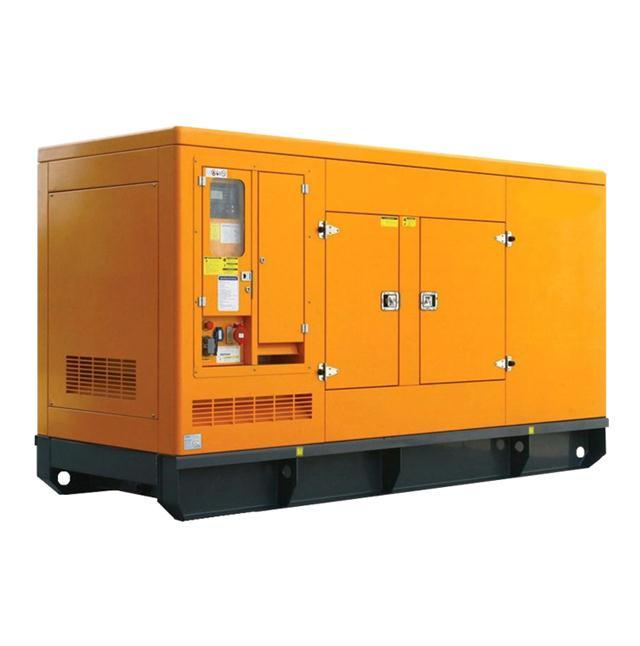
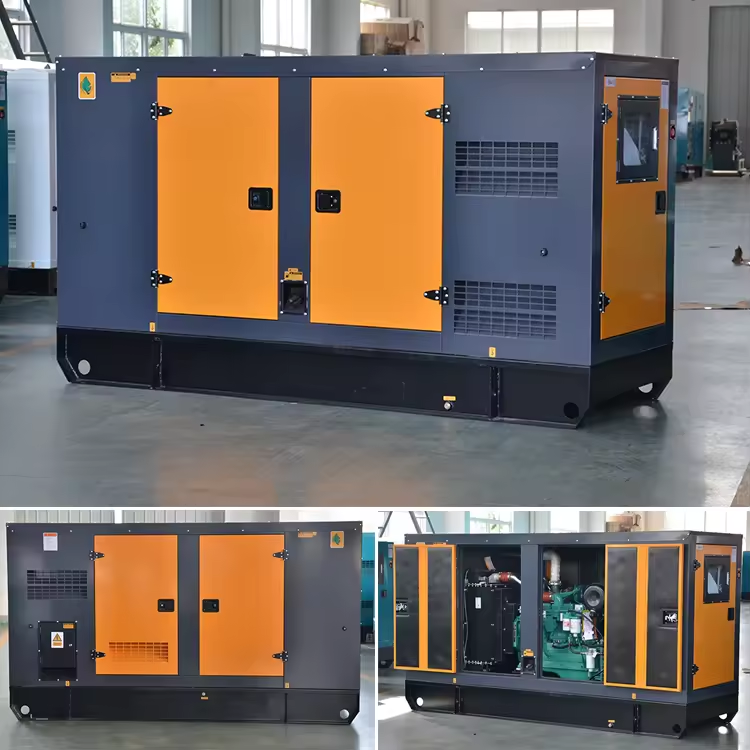
Despite a global push towards decarbonization, diesel generators, or gensets, maintain their foothold in Africa for several pragmatic reasons. Their primary advantage is reliability and the ability to provide immediate power during grid failures, which are a common occurrence. For critical sectors like healthcare, telecommunications, and manufacturing, even minor disruptions can lead to significant economic losses and operational failures. Furthermore, diesel gensets are scalable and can be deployed in remote, off-grid locations where extending the national grid is not economically viable, making them indispensable for industries like mining and agriculture. This reliability makes them the default choice for ensuring energy security where it matters most.
Market Snapshot: Sizing Up the African Diesel Genset Landscape
The African diesel generator market is a significant and growing industry. Projections indicate strong growth, with market size estimates for the coming years varying but consistently showing an upward trend. For instance, one report projects the market to grow from USD 1.68 billion in 2026 to USD 2.76 billion by 2032, at a CAGR of 8.63%. Other analyses report similar growth trajectories, reflecting the entrenched demand for backup power solutions. This growth is distributed across various power ratings, with smaller units below 75 kVA being popular for residential and small commercial use, while larger generators (above 750 kVA) power heavy industries.
| Market Aspect | Key Figures & Insights |
|---|---|
| Market Size (Est.) | Valued at over USD 1.5 billion in 2025, with projections reaching up to USD 4.9 billion by 2032. |
| Projected CAGR | Estimates range from 4.1% to 8.63% through 2032. |
| Key Drivers | Unreliable grid infrastructure, industrialization, urbanization, growth in telecom and data centers. |
| Dominant Segments | Standby/Backup Power application; Industrial and Commercial end-users. |
| Leading Regions | Nigeria and South Africa are major markets due to significant power deficits. |
Key Drivers Fueling the Diesel Generator Market
The primary catalyst for the diesel generator market is the continent's widespread electricity deficit. Unreliable and underdeveloped grid infrastructure forces businesses and individuals to seek alternative power sources. This is compounded by:
- Industrialization and Economic Growth: Sectors such as manufacturing, mining, and construction require uninterrupted power to maintain productivity and prevent costly downtime.
- Urbanization: As cities expand, the strain on aging power grids intensifies, increasing the frequency of outages and the need for backup power in commercial and residential buildings.
- Telecommunications and Data Centers: The digital transformation across Africa relies on a network of telecom towers and data centers that demand 24/7 power, making diesel gensets a critical component of their infrastructure.
- Public Services: Hospitals, airports, and water treatment facilities cannot afford power interruptions, cementing the need for reliable standby generators.
Industrial and Commercial Sectors: The Primary Consumers
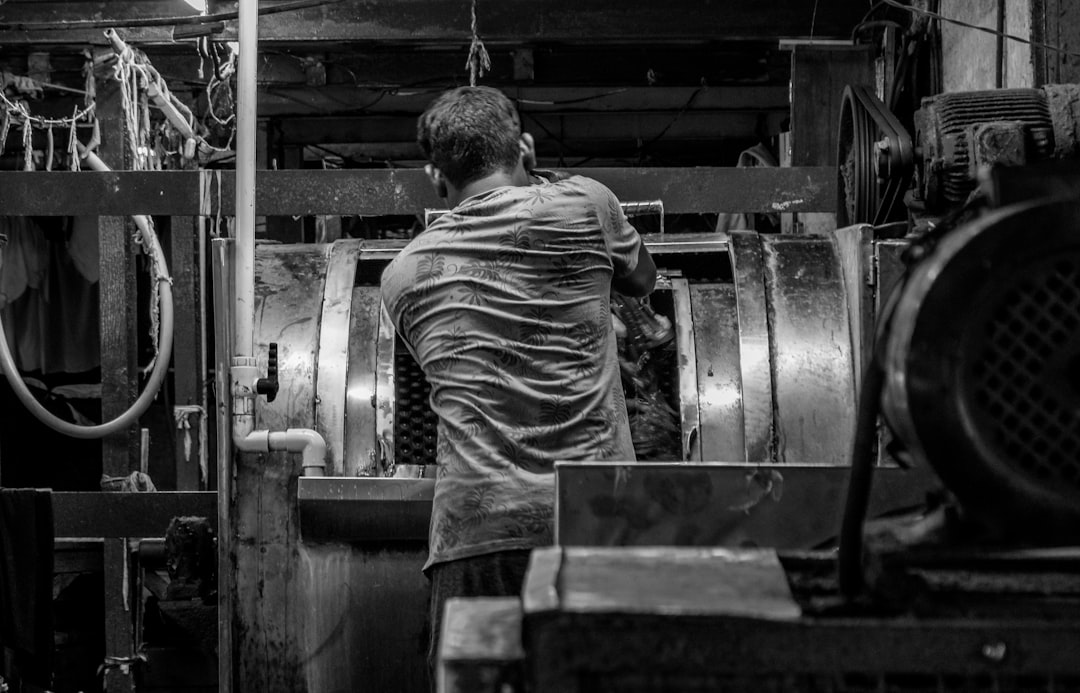
The industrial sector is the largest consumer of diesel generators in Africa, accounting for a significant share of the market. Mining operations in remote regions of the DRC and Zambia, manufacturing plants in Nigeria, and large-scale construction projects across the continent depend on high-capacity gensets for prime or continuous power. Similarly, the commercial sector—including hotels, shopping malls, and office buildings—relies heavily on standby generators to ensure business continuity and protect sensitive electronic equipment during frequent power cuts.
Residential Use: Bridging the Power Gap at Home
While industrial applications dominate, the residential and small business segment is also a crucial market, particularly for lower-capacity generators (5-75 kVA). In many urban and peri-urban areas, frequent load shedding and blackouts make a generator a necessity for daily life. They power homes, small shops, and clinics, enabling economic activity and improving quality of life where the grid fails to deliver.
Regional Hotspots: Where is Demand Concentrated?
Demand for diesel generators is not uniform across the continent. Certain countries stand out as major markets due to the severity of their energy crises.
- Nigeria: As Africa's largest economy, Nigeria faces a profound electricity supply deficit, making it the dominant market for diesel generators. Its chronic grid instability has entrenched gensets as an essential power source for nearly all sectors.
- South Africa: Despite having one of the most developed grids, South Africa's state utility struggles with generation capacity, leading to persistent load-shedding. This has driven massive demand for backup power solutions in industrial, commercial, and residential sectors.
- Other Key Markets: Countries like Egypt, Kenya, Ghana, and the DRC also represent significant markets, driven by industrialization, mining activities, and inadequate power infrastructure.
The Competitive Environment: Key Players and Strategies
The African diesel generator market is highly competitive, featuring a mix of global manufacturing giants and regional suppliers. Major international players like Caterpillar (CAT), Cummins, FG Wilson, and Kohler-SDMO command a significant market share, leveraging their brand reputation, extensive distribution networks, and after-sales service. These companies offer a wide range of products, from small portable units to multi-megawatt power plants. At the same time, numerous regional assemblers and more affordable brands cater to price-sensitive segments, particularly for lower-power-rated generators.
Headwinds and Challenges: Navigating Market Restraints
Despite strong demand, the market faces several significant challenges. The most prominent is the high and volatile cost of diesel fuel, which constitutes a major portion of the total cost of ownership and can be a heavy burden for users. In addition, operational and maintenance costs can be substantial. Growing environmental concerns and regulations around emissions and noise pollution are also starting to impact the market. The most significant long-term threat, however, comes from the increasing viability and declining cost of renewable energy solutions, particularly solar PV combined with battery storage.
The Future is Hybrid: Diesel's Evolving Role in an Era of Renewables
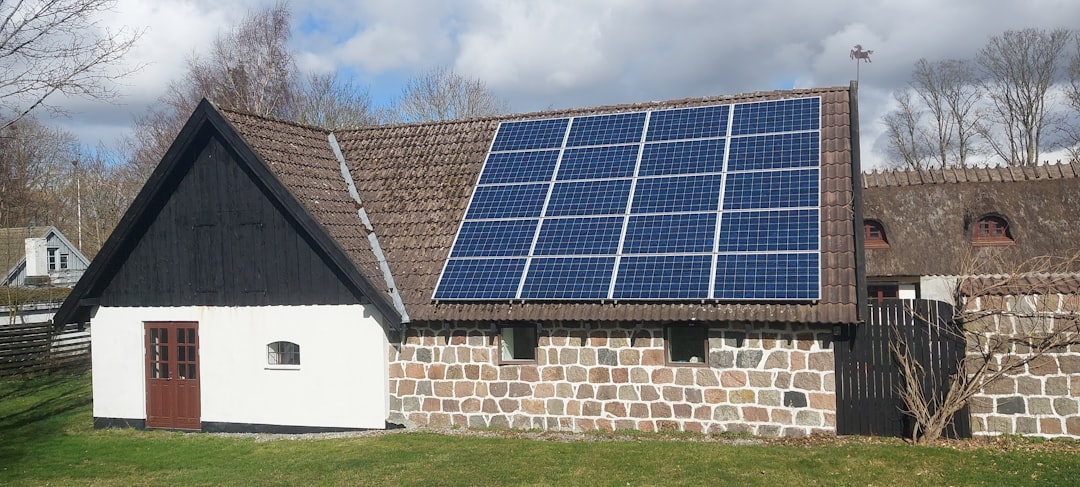
The narrative is shifting from diesel versus renewables to diesel and renewables. The industry is increasingly moving towards hybrid power systems that integrate diesel generators with solar panels and battery energy storage systems (BESS). This approach offers the best of both worlds: the clean, low-cost energy of solar during the day and the unwavering reliability of a diesel generator as a backup when the sun isn't shining or the batteries are depleted. Major manufacturers are already offering integrated hybrid microgrid solutions designed to reduce diesel consumption by up to 80%, lowering costs and emissions while ensuring a stable power supply. This evolution ensures that diesel generators will remain relevant, not as a primary power source, but as a critical component of a more complex and sustainable energy ecosystem.
Technological Innovations Shaping the Next Generation of Gensets
Innovation is key to the continued relevance of diesel generators. Manufacturers are focusing on several key areas to improve performance and meet evolving market demands:
- Improved Fuel Efficiency: Modern engines are being engineered to consume less fuel, directly addressing the high operational costs.
- Remote Monitoring and Control: IoT-enabled systems allow for real-time diagnostics, predictive maintenance, and remote operation, minimizing downtime and optimizing performance.
- Stricter Emissions Compliance: New models are designed to meet higher environmental standards, reducing harmful pollutants.
- Enhanced Synchronization: Advanced controllers allow multiple generator units to work together seamlessly, providing scalable power for large applications like data centers and mines.
Conclusion: The Path Forward for Diesel Power in Africa
The diesel generator market in Africa is at a fascinating crossroads. It remains an indispensable tool for economic growth and stability in the face of inadequate power infrastructure. However, it can no longer operate in isolation. The future is one of integration, where diesel gensets function as the reliable backbone within sophisticated hybrid systems that also incorporate renewables and energy storage. While the dream is a continent powered by clean, reliable, and ubiquitous grid energy, the pragmatic reality is that diesel generators—in their newly evolved, more efficient, and integrated form—will continue to play a vital stabilizing role in Africa's energy landscape for years to come.
Design Your Stable Emergency Power System — Contact NovArk Power
Get a free power system design consultation for your diesel generator set project. Our engineers will analyze your requirements and deliver a tailored generator solution.
This article is for informational purposes only. Specifications and availability may vary by region. Please contact NovArk Power for a confirmed quotation tailored to your project requirements.