The Ultimate Guide to Generator Sets: Ensuring Uninterrupted Power for Your Computing Data Center
- Share
- Issue Time
- Jun 30,2026
Summary
In the digital age, data center uptime is non-negotiable. This guide provides an in-depth look at generator sets, covering everything from sizing and redundancy to maintenance and compliance. Discover how to select and manage the right backup power system to guarantee operational continuity, protect critical data, and ensure your data center's resilience against power failures.
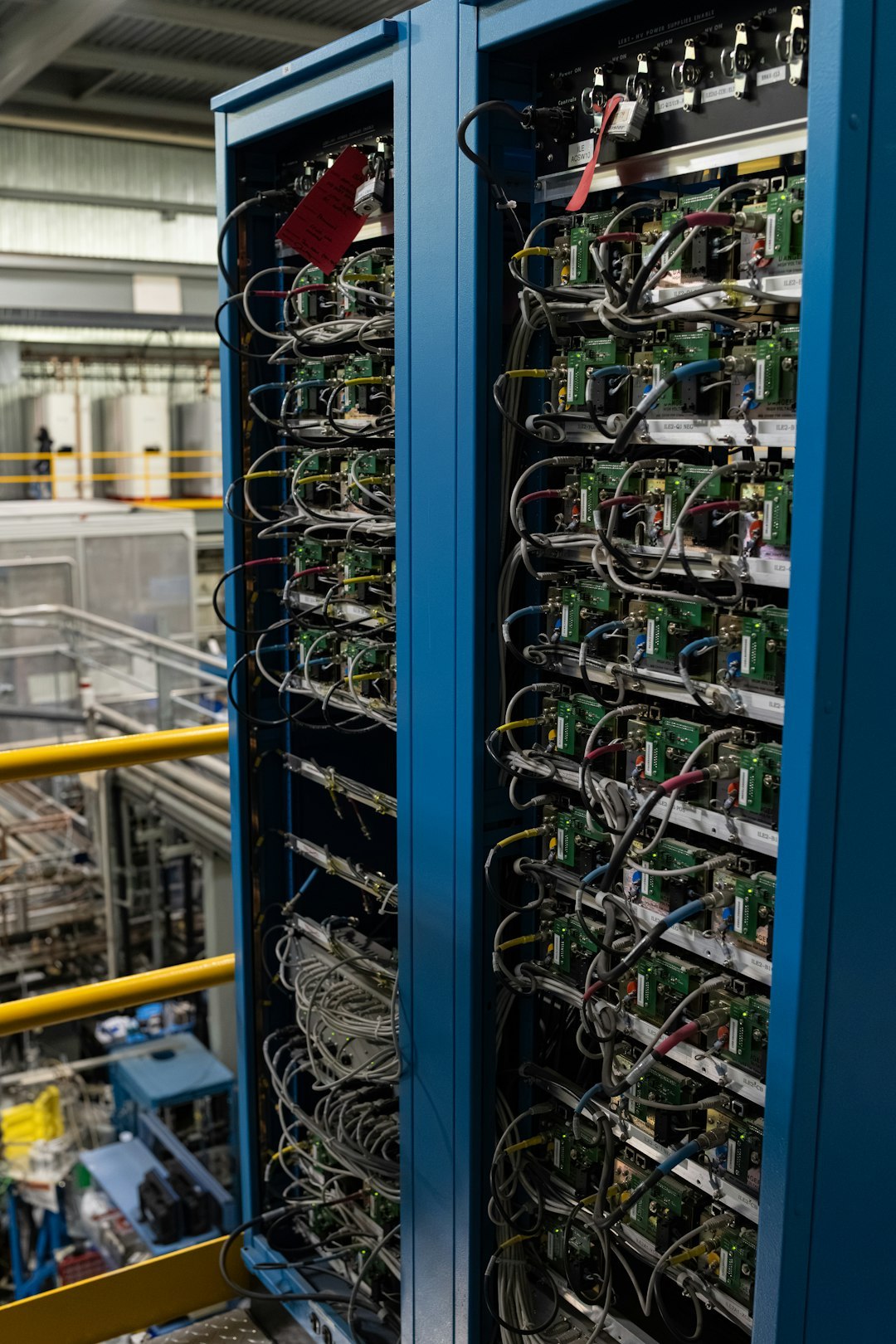
The Ultimate Guide to Generator Sets: Ensuring Uninterrupted Power for Your Computing Data Center
In the digital age, data center uptime is non-negotiable. This guide provides an in-depth look at generator sets, covering everything from sizing and redundancy to maintenance and.
What You Will Learn
- Powering the Digital Age: Why Generator Sets Are the Heartbeat of Data Centers
- The Anatomy of a Data Center's Power Defense System
- Diesel vs. Natural Gas: Choosing Your Fuel Source
- Sizing Your Generator: More Than Just a Numbers Game
- Understanding Redundancy: N, N+1, and 2N Architectures
- The Critical Role of the Automatic Transfer Switch (ATS)
- Maintenance and Testing: The Keys to Reliability
- Load Bank Testing: A Necessary Stress Test
- Navigating Environmental Compliance: EPA Tier Standards
- Future-Proofing Your Power: The Rise of BESS and Microgrids
Powering the Digital Age: Why Generator Sets Are the Heartbeat of Data Centers
In a world powered by data, uptime is everything. For computing data centers, the backbone of our global information infrastructure, a continuous and stable power supply is not a luxury—it's a fundamental requirement. Even a momentary power interruption can lead to catastrophic data loss, service shutdowns, and financial damages reaching millions. This is where the generator set, a critical component of the backup power system, plays its heroic role. Paired with an Uninterruptible Power Supply (UPS), which provides instant battery power for a few minutes, the generator set is the long-term lifeline that takes over for sustained outages, ensuring that servers, cooling systems, and network equipment remain fully operational.
The Anatomy of a Data Center's Power Defense System
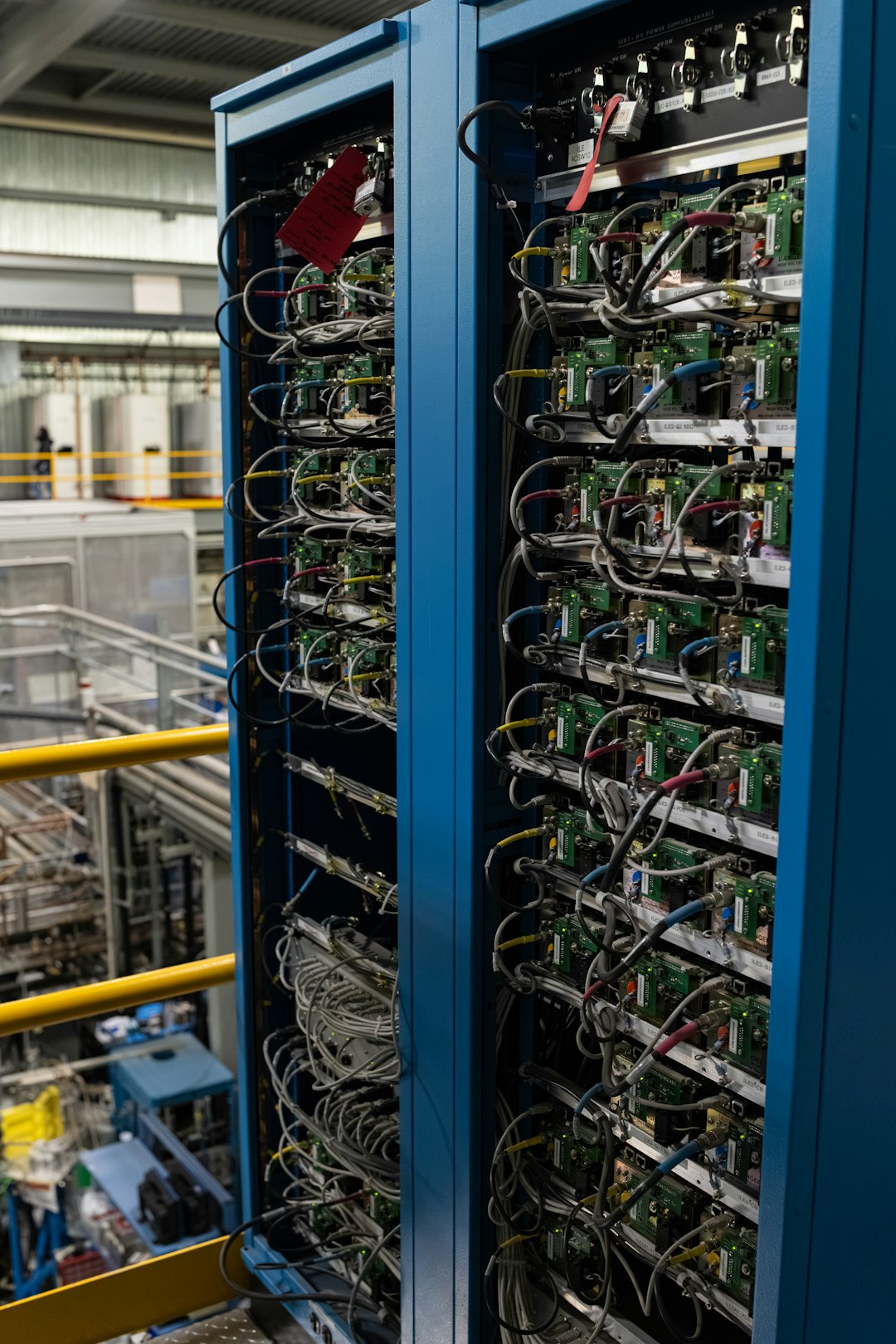
The power infrastructure of a modern data center is a multi-layered defense system. The first line is the utility grid. However, grids are susceptible to failures from weather, technical faults, or high demand. When the grid fails, the UPS system kicks in instantly, providing a seamless transition to battery power. This gives the generator set—the third and most robust line of defense—the critical seconds it needs to start up, stabilize, and take over the entire facility's load for as long as necessary. This synergy between the UPS and the generator is what creates a truly resilient power solution, safeguarding against both short flickers and prolonged blackouts.
Diesel vs. Natural Gas: Choosing Your Fuel Source
When selecting a generator, one of the primary decisions is the fuel type. While diesel has traditionally dominated the data center landscape, natural gas offers a compelling alternative.
-
Diesel Generators: These are the industry standard for a reason. They offer high power density, meaning they can produce a large amount of power from a relatively compact engine. Diesel generators are known for their fast start-up times and proven reliability under the intense, fluctuating loads typical of a data center. They are the go-to for mission-critical facilities that require an immediate and robust response.
-
Natural Gas Generators: Growing in popularity, natural gas generators offer significant benefits. They typically have lower fuel costs and are considered more environmentally friendly with lower emissions. For facilities with a direct connection to a natural gas pipeline, they can offer a nearly unlimited runtime without the need for extensive on-site fuel storage. However, they may have a higher initial cost and a slightly slower response time compared to diesel units.
Sizing Your Generator: More Than Just a Numbers Game
Correctly sizing a generator is the cornerstone of a reliable backup power system. Undersizing can lead to system failure under full load, while oversizing can result in inefficiency and engine damage through a condition known as "wet stacking." A thorough load calculation must account for:
- IT Load: The power consumed by all servers, storage arrays, and network hardware.
- Cooling Load: Air conditioners (CRAC/CRAH units) and chillers, which can account for 30-40% of the total IT load.
- Facilities Load: Lighting, security systems, and fire suppression systems.
- UPS Charging Load: The power required to recharge the UPS batteries after an outage.
A safety factor of 20-25% is typically added to the total calculated load to accommodate future growth and ensure the generator doesn't operate at 100% capacity.
Understanding Redundancy: N, N+1, and 2N Architectures
Redundancy is the practice of installing duplicate components to eliminate single points of failure. The level of redundancy is a key indicator of a data center's reliability and is often tied to its Tier classification.
| Redundancy Level | Description | Best For |
|---|---|---|
| N | The minimum capacity required to power the facility. There is no backup; if a component fails, the system goes down. | Tier I, non-critical applications. |
| N+1 | The most common configuration. It includes one extra component (e.g., one extra generator) beyond the minimum required (N). If one unit fails, the spare takes over. | Tier II/III, enterprise data centers. |
| 2N | A fully mirrored system. Two completely independent systems are installed, each capable of powering the entire facility's load. It offers high reliability and allows for maintenance without downtime. | Tier III/IV, financial and healthcare facilities. |
| 2(N+1) | The highest level of fault tolerance. This model features two fully independent (2N) systems, each with its own N+1 redundancy. | Mission-critical systems with zero tolerance for downtime. |
The Critical Role of the Automatic Transfer Switch (ATS)
The Automatic Transfer Switch (ATS) is the brain of the emergency power system. This device constantly monitors the incoming utility power. When it detects an outage or instability, it signals the generator to start. Once the generator reaches the correct voltage and frequency, the ATS seamlessly transfers the building's electrical load from the grid to the generator. When utility power is restored and stable, the ATS transfers the load back and signals the generator to cool down and shut off. A reliable ATS is crucial for ensuring the automatic and swift transition that defines a modern backup power system.
Maintenance and Testing: The Keys to Reliability
A generator is only reliable if it's meticulously maintained. A comprehensive maintenance program is not optional—it's a critical practice to ensure the generator starts when needed most.
Key maintenance activities include:
- Routine Inspections: Weekly or monthly visual checks of fluid levels (fuel, oil, coolant), battery conditions, and looking for any leaks or signs of wear.
- Fluid Management: Regular testing of fuel quality to prevent contamination and changing oil and coolant according to manufacturer specifications.
- Battery Care: Battery failure is a leading cause of generator start-up failures. Regular cleaning of terminals, load testing, and checking electrolyte levels are essential.
- Cooling System Service: Keeping the radiator clean and ensuring the cooling system is free of obstructions is vital to prevent overheating during extended runs.
Load Bank Testing: A Necessary Stress Test
Regularly starting a generator is not enough. Diesel generators need to be run under a significant load to perform optimally. Operating a generator with little or no load for extended periods can lead to "wet stacking," where unburned fuel and soot build up in the exhaust system, reducing performance and engine life. Load bank testing involves connecting the generator to an artificial load that mimics the data center's real operational demand. This annual test verifies the generator's ability to perform under pressure and burns off any deposits, ensuring it's ready for a real-world emergency.
Navigating Environmental Compliance: EPA Tier Standards
Generator emissions are regulated by the Environmental Protection Agency (EPA) through a tiered system for non-road diesel engines. These standards, from Tier 1 to the most stringent Tier 4 Final, limit the output of pollutants like Nitrogen Oxides (NOx) and Particulate Matter (PM).
Crucially, generators used for emergency standby purposes in a data center are often exempt from the strictest Tier 4 Final requirements and can operate at less stringent levels (like Tier 2). However, this classification comes with limitations, typically a cap of 100 hours per year for non-emergency operation (maintenance and testing). If a generator is used for non-emergency purposes like peak shaving or demand-response programs, it must meet the stricter Tier 4 Final standards. Regulations can also vary significantly by state, with places like California often requiring Tier 4 Final for all new installations.
Future-Proofing Your Power: The Rise of BESS and Microgrids
The future of data center power is evolving. While diesel generators remain the cornerstone of reliability, new technologies are emerging to enhance efficiency and sustainability. Battery Energy Storage Systems (BESS) are increasingly being integrated alongside generators. A BESS can provide extended backup, handle peak loads, and improve power quality, reducing reliance on the generator for short-term outages. As renewable energy sources like solar become more viable, generators are becoming part of sophisticated microgrids that can operate independently from the main utility, offering an even higher level of energy resilience and sustainability. Choosing a generator system that can integrate with these future technologies is a wise, forward-thinking strategy.
Design Your Stable Emergency Power System — Contact NovArk Power
Get a free power system design consultation for your diesel generator set project. Our engineers will analyze your requirements and deliver a tailored generator solution.
This article is for informational purposes only. Specifications and availability may vary by region. Please contact NovArk Power for a confirmed quotation tailored to your project requirements.